
Articles & Tips

Understanding the IT3(t) Requirements for Trusts
As part of ongoing efforts to streamline tax processes and ensure accurate reporting, SARS has introduced a new requirement for trusts: the IT3(t) form.
The new IT3(t) requirements for trusts will be effective for the 2024 tax year. Trustees are required to submit the IT3(t) certificates by 31 May 2024. This means that all distributions made to beneficiaries between 1 March 2023 and 28 February 2024 must be reported using the IT3(t) form by this deadline.

Understanding Record-Keeping Requirements for Individual Tax Returns in South Africa
Proper record-keeping is essential for accurate tax reporting and compliance with the Tax Administration Act and other relevant tax laws in South Africa. Maintaining accurate and complete records is crucial for a few reasons: It substantiates the information reported in your tax returns, It enables you to respond effectively to any queries or audits from SARS, and it provides a clear financial history, which is beneficial for personal financial management and planning.
Dealing with a VAT Audit
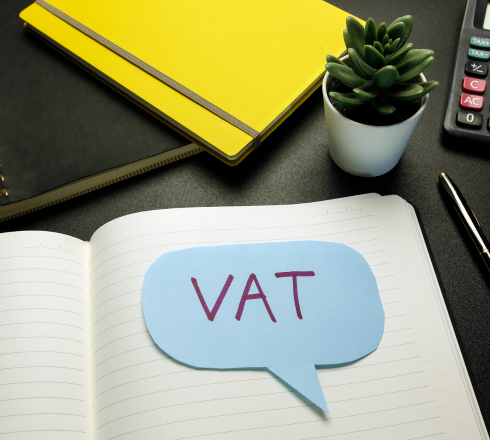
We understand that the thought of a VAT audit can be daunting, but it needn’t be. With the right preparation and a thorough understanding of the process, it can be a smooth and stress-free experience.
In this blog, we will provide you with an overview of why a VAT audit happens in South Africa, what the process entails, and how we ensure that all necessary documents are ready and available from the start.

Understanding the Importance of Disclosing Digital Wallets and Crypto Accounts to SARS
With the growing popularity of cryptocurrencies, it's crucial to understand how these assets are treated by the South African Revenue Service (SARS) and why you need to disclose them in your yearly tax return.
SARS requires that any income or gains from crypto assets, including digital wallets and crypto accounts, be disclosed in your tax return. This includes exchange tokens (such as Bitcoin), non-fungible tokens (NFTs), and utility tokens.

Understanding the Two-Tier Retirement Pot System in South Africa and the Tax Implications of Withdrawals
As you continue to plan for your retirement, it's crucial to understand the two-tier retirement pot system recently implemented in South Africa and how withdrawals from your retirement fund can affect your tax obligations.
Starting September 1, 2024, contributions will be split into savings and retirement components at a ratio of one-third and two-thirds, respectively. The two-tier retirement pot system was introduced in South Africa to provide greater flexibility and security for individuals when they retire.

Protect Your Income and Your Peace of Mind: A Vital Tip for Self-Employed Professionals in South Africa
As a self-employed professional in South Africa, your business is your livelihood. Whether you're a consultant, freelancer, tradesperson, or small business owner, the income you earn is dependent on your ability to work. But have you ever considered what would happen if, due to an unforeseen illness, injury, or accident, you were suddenly unable to work?
Anlo Academy – Learn Xero!
The team is hard at work at making our clients' lives easier and, we hope, better. Loads of business owners want to do their own accounts, but don’t know how Xero works, or want to have an accounting practice to help them to do it properly and accurately themselves, because they want to learn.

Executive and Non-executive Directors: Tax Matters
Written by Roulon du Toit CA (SA)
Both executive directors and non-executive directors (NEDs) may earn income from the companies in which they hold office. However, the tax treatment of these earnings—and the related expenses incurred—vary greatly between these two types of directors. In 2017, SARS released two Binding General Rulings (numbers 40 and 41) which provided more clarity on the treatment of NEDs.

Donations To Public Benefit Organisations
Written by Roulon du Toit
A lot of South African taxpayers are unaware that they could reduce their taxable income if they made donations to Public Benefit Organisations. When a South African resident makes a donation, it is important to realise that there are tax consequences which may lead to either an increased tax burden or tax relief.
First, it is important to note that donating may attract a Donations Tax liability. This is something that taxpayers are unaware of and can be quite costly. We will not be exploring this in this blog, but be aware that if you donate cash (or any other asset) there may donations tax, especially if the value exceeds R100 000. For example, if you purchase a car and then transfer ownership to your child it will likely attract Donations Tax.
Tax-Deductible Business Expenses – A Complete Guide
Tax-deductible business expenses are any expense incurred in the production of income or in the running of the business.
For example, stock bought for resale is considered a business expense or stationery bought for the office is also considered a business expense. You must keep a record of these business expenses.
How to Decrease Your VAT Bill in South Africa
When it comes to decreasing your VAT bill in South Africa, it's crucial to adhere strictly to legal methods and maintain meticulous accounting records. While it may be tempting to look for shortcuts, any attempt to evade taxes illegally is not worth the risk and can lead to severe penalties.
If your business's turnover exceeds one million rand in a 12-month period, VAT registration is mandatory. Ensuring you claim the maximum possible inputs can significantly reduce your cash outflows.
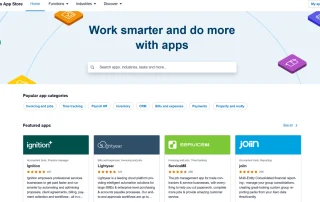
Unlock the Power of Xero with Apps: Transform Your Business Efficiency aka APPSTACK
In the rapidly evolving world of business, staying ahead of the curve means embracing tools and technologies that streamline operations and drive growth.
As your accountants, we're always on the lookout for ways to help you achieve greater efficiency and success while reducing your admin overheads and stress!
Let’s Make Managing Your Finances Easier
Ready to get started with Anlo? Book a free consultation to discuss your accounting requirements with our experienced team. Our accounting services include financial accounting, bookkeeping, tax consulting, and ongoing financial support to help your business remain compliant and financially organised.